
Electrical work is one of the most tightly regulated trades in Australia — here's honestly where RPL fits in.
Recognition toward the Certificate III in Electrotechnology (UEE30820), based on genuine existing evidence.
Produce an unrestricted licence by itself — most states still require an apprenticeship or a formal practical skills assessment.
Electrical work is one of the most tightly regulated trades in Australia, and that shows up clearly in how RPL applies here.
Unlike many other trades, RPL for electricians does not simply replace an apprenticeship with a paperwork review.
This guide explains honestly what electrician RPL Australia-wide can and cannot do, how it connects to an actual electrical licence, and where the real pathway options sit for someone without a traditional apprenticeship behind them.
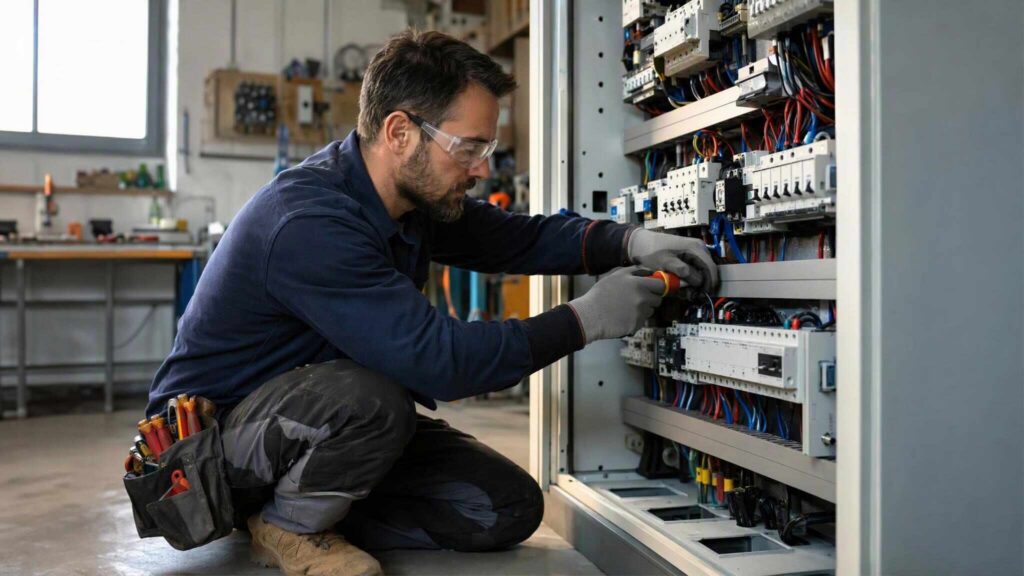
Electrician RPL Australia-wide follows the same basic principle as RPL in any trade: assessors evaluate your existing skills and experience against the units of competency that make up the relevant qualification, rather than requiring you to repeat training you may have already completed.
For electricians, that qualification is UEE30820 Certificate III in Electrotechnology Electrician.
Here is the important difference from most other trades covered in this series: completing this qualification through standard RPL can grant the Certificate III itself, but in most jurisdictions, an unrestricted electrician’s licence specifically requires the qualification to have been completed through either a formal apprenticeship or the Trades Recognition Australia (TRA) skills assessment pathway, with the certification documentation stating which one applies.
State electrical regulators do not automatically treat a standard, evidence-based RPL assessment through an ordinary RTO the same way.
Comparing RPL electrical apprenticeship routes side by side helps explain why apprenticeships remain the default path for most new electricians.
An apprenticeship combines structured, supervised, on-the-job training with formal study over several years, building toward the full Certificate III under direct, verified supervision the whole way through.
RPL, by contrast, relies on already-held evidence of competency. For most trades, that is enough. For electrical work specifically, state regulators generally want that evidence backed by a formal skills assessment pathway, given the safety risk of unverified competency around live electrical systems.
This is not a reason to dismiss RPL outright, but it does mean the pathway looks different to what applies for trades like carpentry or tiling.
Electrician RPL requirements typically include substantial, genuine hands-on experience working with electrical systems, generally under some form of supervision or licensed oversight, along with documentation such as work history, employer statements, and evidence of specific tasks performed.
Where this differs most from other trades is the assessment itself. Rather than a documentary review alone, electricians are generally required to complete a practical, hands-on skills demonstration, conducted by a qualified assessor, before any formal recognition is granted toward licensing purposes.
This practical component exists specifically because of the safety risk involved in getting electrical competency wrong.
Cert III Electrotechnology RPL applies to the UEE30820 Certificate III in Electrotechnology Electrician qualification, which covers the skills to select, install, set up, test, fault-find, repair, and maintain electrical systems and equipment in buildings and premises.
It generally requires 1,110 weighting points, made up of core and elective units covering areas from workplace safety through to fixing and securing electrotechnology equipment.
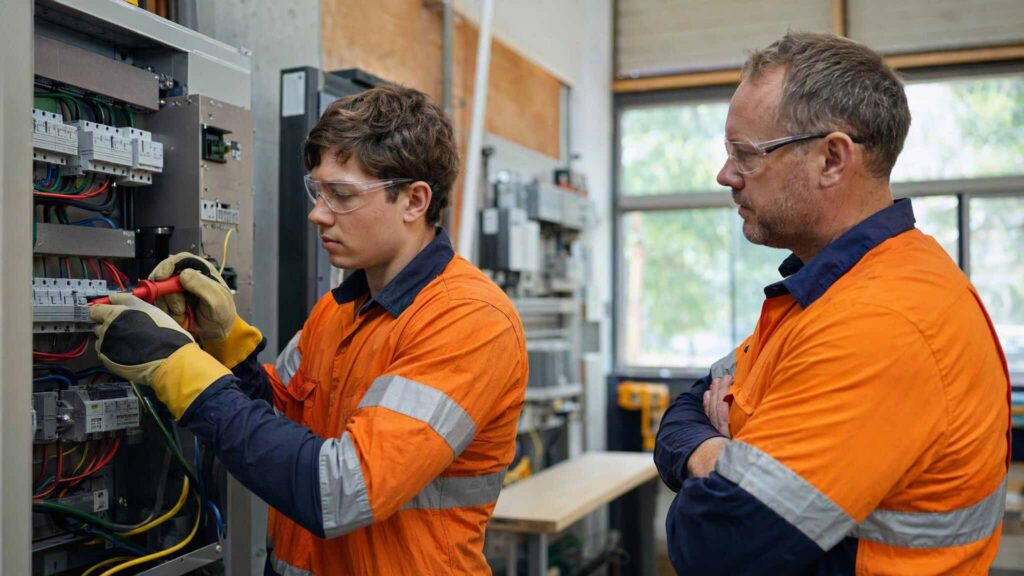
UEE30820 RPL assesses the same units a classroom apprentice would need to complete, covering areas such as applying WHS risk control measures, electrical installation work, testing and fault-finding, and compliance with relevant wiring rules and standards.
Each unit is assessed individually against the same valid, authentic, current, and sufficient evidence standard used across all RPL assessments.
Electrical licence RPL does not automatically convert into an unrestricted electrician’s licence on its own. The realistic pathway generally looks like this:
Against UEE30820 units, using existing evidence and work history.
For any units not yet fully evidenced.
Often via TRA, including a mandatory practical demonstration.
Submitted to the relevant state electrical safety regulator.
Specifying the class of electrical work authorised.
Some pathways lead first to a restricted outcome, such as a Supervised Worker’s Licence or Qualified Supervisor Certificate, with a full unrestricted licence following further assessment.
Confirming the exact sequence with the relevant state regulator before starting is strongly recommended, given how much this differs from other trades.
Electrician licence requirements Australia-wide share a common qualification base (UEE30820) but are administered separately by each state’s electrical safety regulator, with some variation in process and terminology.
Electrical licence NSW requirements are administered through NSW Fair Trading, generally requiring the Certificate III in Electrotechnology (via apprenticeship or an accepted non-apprenticeship pathway), along with identification, any relevant experience documentation, and the licence application itself.
TAFE NSW specifically notes that non-apprenticeship candidates can have their skills assessed through RPL and complete gap training to reach the qualification, though the subsequent licensing step still follows NSW Fair Trading’s own requirements.
Electrician skills assessment Australia-wide for people trained overseas typically goes through Trades Recognition Australia’s Offshore Skills Assessment Program, which includes a documentary review followed by a mandatory practical assessment.
A successful outcome generally results in an Offshore Technical Skills Record, which can then support an application for a provisional electrical licence in the relevant state.
RPL electrician cost varies by provider and by how much of the UEE30820 qualification existing evidence is likely to cover. Costs generally include the RPL assessment fee itself, any gap training required for units not yet evidenced, and, where applicable, a separate formal skills assessment fee if a TRA-style pathway is needed to support licensing.
Budgeting for all three components separately, rather than assuming one number covers the whole journey to a licence, avoids an unpleasant surprise partway through.
For someone exploring whether it’s possible to become an electrician without an apprenticeship, a fast-track electrician course built around RPL and gap training can shorten the study component considerably compared to a multi-year apprenticeship.
It does not, however, remove the practical skills assessment most states expect for a genuine unrestricted licence, so “fast” here means faster study, not a shortcut around safety-critical verification.

Generally not through standard RPL alone. Most states require the qualification to be completed via apprenticeship or a formal skills assessment pathway like TRA's, which includes a practical demonstration, before an unrestricted licence is issued.
RPL can grant recognition toward the UEE30820 Certificate III itself and may support outcomes like a Qualified Supervisor Certificate, but a full unrestricted licence typically needs the additional formal pathway described above.
No. Electrical work carries additional, safety-driven requirements, including a mandatory practical assessment, that most other trades' RPL pathways do not require.
The relevant state electrical safety regulator (such as NSW Fair Trading or Energy Safe Victoria) is the authoritative source on current requirements, since rules and terminology can differ between states.
RPL electrician pathways exist, but they work differently from RPL for most other trades, given the safety stakes involved in electrical work.
Existing experience can genuinely count toward the Certificate III in Electrotechnology, but reaching a full unrestricted licence almost always still requires a formal, practical skills assessment on top of that evidence.
Anyone exploring this pathway should confirm current requirements directly with their state’s electrical safety regulator.
For help understanding where existing experience might fit, KMH Training & Consultancy offers a free eligibility check.