
Most applicants finish in four to twelve weeks. Here is where the time actually goes.
Illustrative timelines built from typical stage lengths. Actual times depend on the qualification and the assessing RTO.
Plenty of skilled Australians have spent years mastering a trade without a single certificate to show for it. That gap can mean missed promotions, lower pay, or a licence that stays just out of reach.
Recognition of Prior Learning closes it by turning real-world experience into a nationally recognised qualification, with no need to sit through months of classes. The big question most people ask is timing.
This guide walks through the RPL process from first enquiry to certificate in hand, so applicants know what to expect and can plan with confidence.
RPL stands for Recognition of Prior Learning. In plain terms, it lets experienced workers have their existing skills, knowledge and work history checked against a nationally recognised qualification, instead of repeating a full course they have effectively already completed. A registered training organisation (RTO) carries out that check under the Australian Qualifications Framework.
It suits electricians, carpenters, chefs, childcare workers, mechanics and plenty of others who learned their craft on the job. Through RPL skills recognition, years of hands-on work finally get the paperwork to match. KMH does not issue qualifications itself.
It works alongside ASQA-registered RTO partners, guiding applicants through each stage and keeping the paperwork moving.
The biggest chunk of time is rarely the assessor’s review.
Most applicants can expect the RPL process time from start to finish to land somewhere between four and twelve weeks. Some wrap up faster, particularly when evidence is organised on day one. Others take longer because documents trickle in slowly or the qualification calls for a practical demonstration.
The range is wide for a good reason. The biggest chunk of time is rarely the assessor’s review. It is usually the stretch where the applicant hunts down photos, payslips, references and licences. Once that pile is complete, everything else tends to move quickly.
Here is how a typical journey unfolds, one stage at a time.
Everything starts with a friendly chat about the applicant's work history and goals. A consultant checks whether the experience realistically matches the target qualification and flags any obvious gaps early. This step is quick, and it saves a lot of wasted effort later.
Next comes enrolment. A complete RPL application usually includes personal details, identification, a Unique Student Identifier (USI) and a summary of the applicant's work history. Missing details are the most common cause of small delays here, so a quick double-check before submitting pays off.
This is the stage that stretches or shrinks the timeline the most. The exact RPL requirements depend on the qualification, but the evidence generally covers:
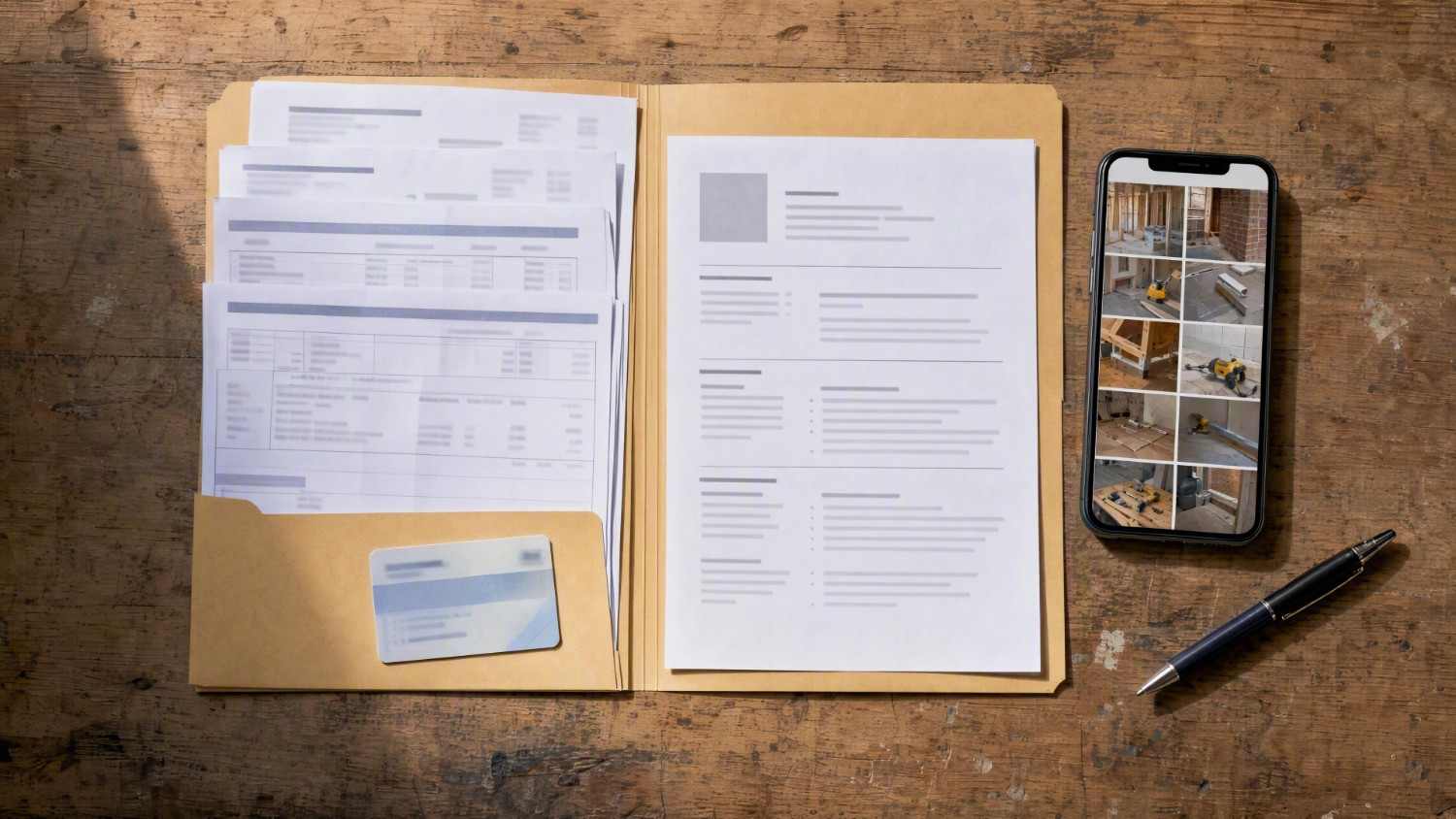
Once the evidence is in, an assessor reviews it against the units of competency in the qualification. The applicant may also be asked to answer questions in a short phone or video interview, or to demonstrate a task. The next section covers this stage in more detail.
If the assessor is satisfied, the RTO issues the qualification. If something is missing, the applicant is told exactly what it is and gets a chance to fill the gap. Either way, nobody is left guessing about where things stand.

For most applicants, one to three weeks passes between submitting evidence and hearing the outcome. Simple trade qualifications backed by strong documents sit at the quicker end. Higher-level diplomas, or files with patchy paperwork, take longer.
So how long does RPL assessment take when everything is in order? Often closer to one week than three. The RPL assessment process is built around a single question: can this person do the job to the standard the qualification describes?
A typical RPL assessment answers that through a document review, a short competency conversation and, occasionally, a practical task.
Whether an applicant works in Sydney, Perth, or Darwin, RPL assessment Australia-wide is measured against the same national units of competency. Assessors generally want evidence that is:
Validit matches what the unit actually asks for
Authenticit genuinely belongs to the applicant
Currentit reflects recent work, not something from twenty years ago
Sufficientit covers every part of the qualification
Applicants who label each piece of evidence against the relevant unit make an RPL assessment far easier to complete, and assessors are usually grateful for the effort.
The RPL process Australia applicants go through is broadly the same everywhere, but small habits make a big difference. Anyone typing how long does RPL take in Australia into a search bar tends to find vague answers, so here is the honest version: it depends on preparation more than anything else.
Because RPL skills recognition looks at real work rather than classroom hours, the quality of the evidence matters far more than the quantity.
Some trades also involve state licensing bodies, which can add their own steps after the certificate arrives, so it helps to check those requirements early.
Most people finish in about four to eight weeks. Well-prepared applicants can be quicker, while complex qualifications or slow-to-arrive documents stretch the timeline.
Yes, and the best lever is preparation. Having evidence ready before the application goes in removes the longest waiting period. Prompt replies to assessor questions help too.
The assessor explains exactly which areas need more support. The applicant can then supply extra documents, arrange an interview or complete a short task to cover the gap, without starting from scratch.
Yes. It is issued by a registered training organisation and carries the same national recognition as the same qualification earned through study.
Understanding the RPL process steps and how long they take turns a vague idea into a realistic plan. Preparation shortens the journey, clear communication keeps it smooth, and the right support makes the whole thing feel far less daunting.
Anyone with real-world experience and a wish to see it recognised can get in touch with KMH Training & Consultancy to talk through a personalised timeline.