
The 28-unit trade qualification for bricklayers, blocklayers and pavers, and how to earn it.
LBy Luke, Ambassador at KMH Training & Consultancy · 6 min read
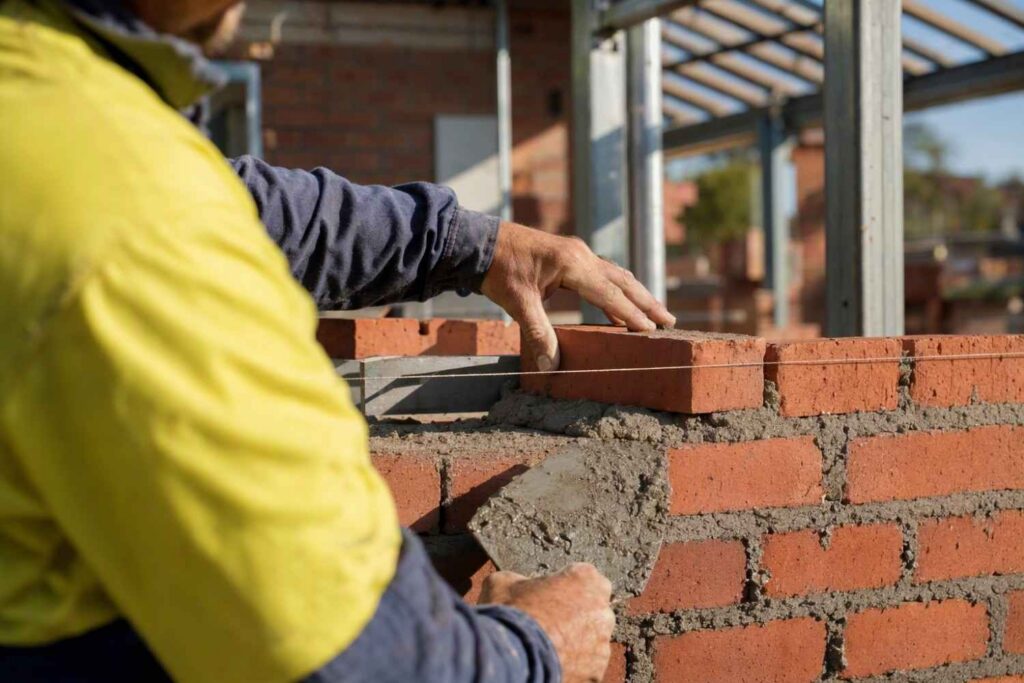
To earn the qualification, you must demonstrate competency in 28 units: 20 core and 8 elective.
The core units cover handling and preparing materials, using tools and equipment, masonry veneer and cavity brick construction, laying walls and corners, multi-thickness walls and piers, flashings and damp-proof course, masonry arches, curved walls and masonry structural systems.
They also cover setting out, reading plans and specifications, measurements and calculations, basic levelling, planning and organising work, workplace communication, working sustainably, restricted-height scaffolding, working safely at heights and applying work health and safety requirements.
Electives let you lean toward a specialty. Group A covers traditional and heritage bricklaying, Group B covers refractory bricklaying and Group C covers paving, with general electives such as glass blockwork, fire-rated masonry and tuck pointing also available. Up to two electives can come from another training package or accredited course, as long as they support a valid, industry-supported outcome.
One rule matters more than most: the training package requires all units to be delivered and assessed in a real or closely simulated workplace environment.
There are no formal entry requirements for the qualification. Anyone carrying out construction work does need to complete general construction induction training, and the unit CPCCWHS1001 Prepare to work safely in the construction industry meets that requirement. This is the training behind the white card.
Licensing and regulatory rules for bricklayers vary between states and territories, so check with your state regulator. In Western Australia, for example, a licence may be needed for building work above $20,000.
The usual answer to how to become a bricklayer is an apprenticeship. You find an employer willing to take you on, and your employer registers you through an Australian Apprenticeship Centre. You then learn on site under a qualified bricklayer while completing structured training with an RTO or TAFE.
Bricklaying apprenticeships usually take between 36 and 48 months. CQUniversity, for instance, lists a nominal duration of 48 months with an expected duration of 42.
Fees and funding depend on your state and eligibility, and some governments subsidise apprentice training.
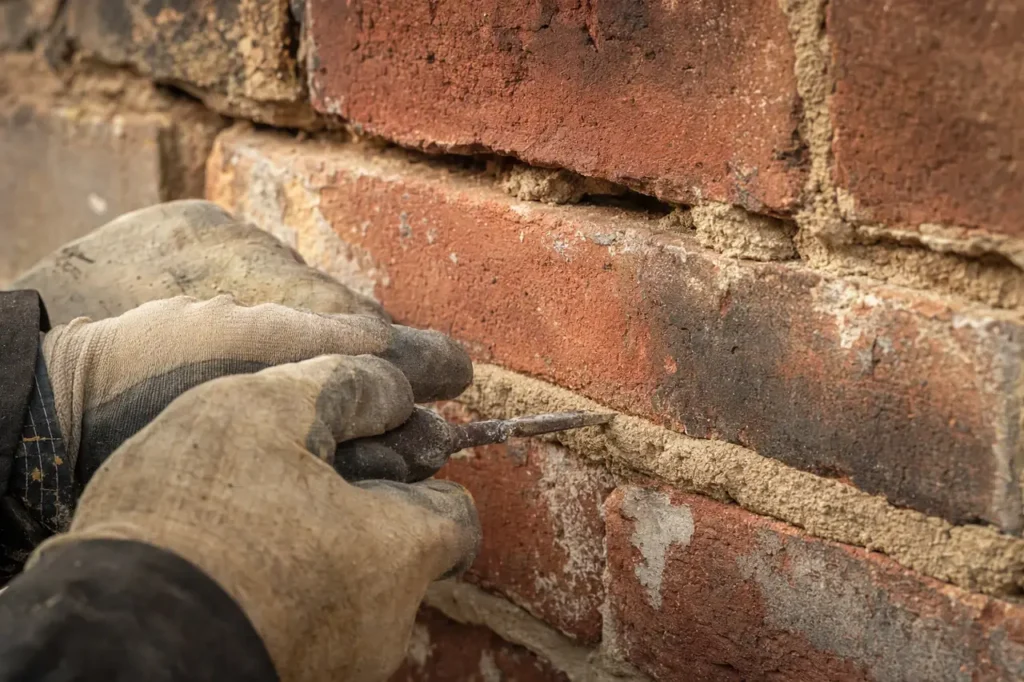
Because assessment has to happen in a real or closely simulated workplace, most bricklaying course pathways are apprenticeship-based rather than classroom-only. A shorter bricklaying course or brickwork course that covers only some units leads to a statement of attainment, not the full trade qualification.
Someone with years of site experience may not need a bricklaying course at all, since RPL can assess the skills they already have. That difference matters when you read course listings.
A weekend brickwork course can teach useful basics, but only the full set of 28 units earns you the Cert III bricklaying outcome employers recognise as trade-qualified.
| Feature | Apprenticeship | Short course | RPL |
|---|---|---|---|
| Who it suits | New starters with an employer | Beginners wanting the basics | Working bricklayers with documented site experience |
| Outcome | Full trade qualification | Statement of attainment for the units covered | Full trade qualification |
| Typical time | 36 to 48 months | Days to weeks | Quoted before you commit |
| Assessment | On site, with structured training | Only the units taught | Evidence review, possible site demonstration, gap training if needed |
Not everyone works in bricklaying through an apprenticeship. Some people learned on site over many years, and others trained overseas. Recognition of prior learning (RPL) lets a registered training organisation assess those existing skills against the qualification instead of making you repeat training.
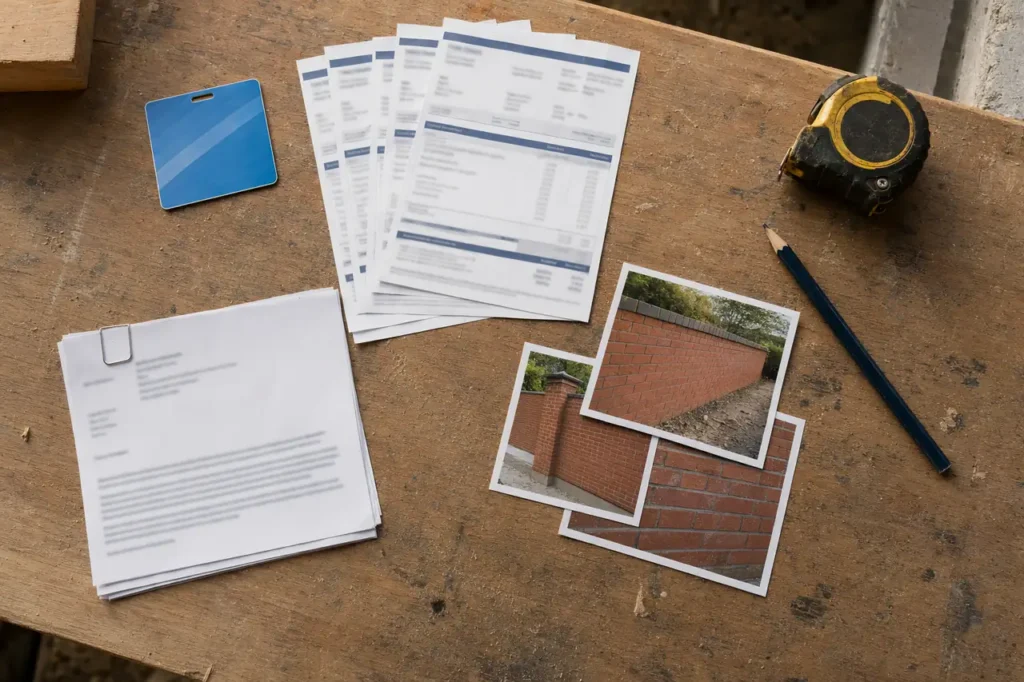
Since the qualification expects real workplace assessment, evidence usually needs to show genuine site work. Assessors commonly look for:
Bring what you have. Gaps can be covered with short gap training.
Depending on the units, an assessor may also ask you to demonstrate tasks on site. Where your evidence does not cover a unit, a short gap-training activity may be needed.
Trade-qualified bricklayers, blocklayers and pavers work in residential, commercial and industrial construction, and many eventually run their own businesses.
A bricklayer certificate 3 also makes it easier to move between employers and states, since the qualification is nationally recognised.
Holding a Cert III bricklaying qualification is also the starting point for specialising in heritage, refractory or paving work through your elective choices.
Further study such as the CPC40120 Certificate IV in Building and Construction can lead toward registered builder status.
KMH does not deliver apprenticeships or issue qualifications itself. Instead, KMH helps experienced tradespeople work out whether RPL suits their situation for the Certificate III in Bricklaying and Blocklaying, matches them with a compliant, ASQA-registered RTO, and guides them through the evidence process.
It starts with a free skills assessment, and you receive the expected cost and delivery period before you commit.
Start with a free skills assessment. You get the expected cost and delivery period before you commit.
Usually, yes. Most people earn it through an apprenticeship with an employer, because the units must be assessed in a real or closely simulated workplace.
Bricklaying apprenticeships usually take 36 to 48 months, depending on the provider and state.
CPC33020 supersedes CPC30111 and is mapped as equivalent. Ask any provider which code they are delivering.
In some cases, yes. If you have documented site experience, an RTO can assess it against the units, with gap training for anything not covered.
No. It is a qualification, while licensing rules vary by state and territory and are set by regulators.
The Cert III in Bricklaying is the recognised trade qualification for bricklayers, blocklayers and pavers, and understanding its 28 units, the CPC30111 to CPC33020 change, and the apprenticeship pathway makes planning far easier.
For people who already lay bricks for a living, RPL can turn documented experience into the same qualification.
To find out whether yours is enough, speak with KMH Training & Consultancy for a free skills assessment.