
Six steps, from checking eligibility to holding a valid licence.
A trade license authorises someone to legally carry out licensed trade work, and for most regulated trades, working without one is simply not an option.
Yet the actual steps are rarely explained clearly, especially for people who already have the hands-on skills but have never navigated a state licensing system before.
This guide walks through the full process from start to finish, covering eligibility, documents, the application steps, cost, and renewal.

Trade license eligibility generally rests on two pillars: a relevant qualification and enough practical experience to demonstrate competency in the trade.
Most states require a qualification such as a Certificate III in the relevant field, along with evidence of hands-on experience working in that trade.
Someone who has spent years working informally or under another licence holder’s supervision is usually still eligible, provided their experience and qualification meet the regulator’s criteria.
This is also where RPL becomes relevant, since it allows experience-based evidence to count toward meeting the qualification requirement.
Trade license requirements vary slightly between states and trades, but most applications ask for a similar core set of trade license documents:
Having these documents organised before starting the application is the single biggest factor in how smoothly the process goes. Missing paperwork is the most common reason applications are delayed or sent back for more information.
Knowing how to get a trade license comes down to a fairly consistent sequence across states and trades:
Check the qualification and experience requirements for the specific trade and state.
Collect identification, qualification evidence, and proof of relevant experience.
Submit the required forms along with supporting documents to the state regulator.
Costs vary by trade and licence type.
The regulator reviews the application and may request further information.
Once approved, the licence authorises trade work within its defined scope.
Starting with a proper eligibility check, rather than submitting an application and hoping for the best, tends to save the most time overall.
Trade license online applications are now the standard pathway in most states, replacing older paper-based systems.
Applicants generally create an account with the relevant state regulator’s portal, upload supporting documents, and track the application’s status digitally from submission through to approval.
Trade license registration through these online systems usually also covers renewals and updates once the licence is active, making it worth setting up properly from the very first application rather than treating it as a one-off task.
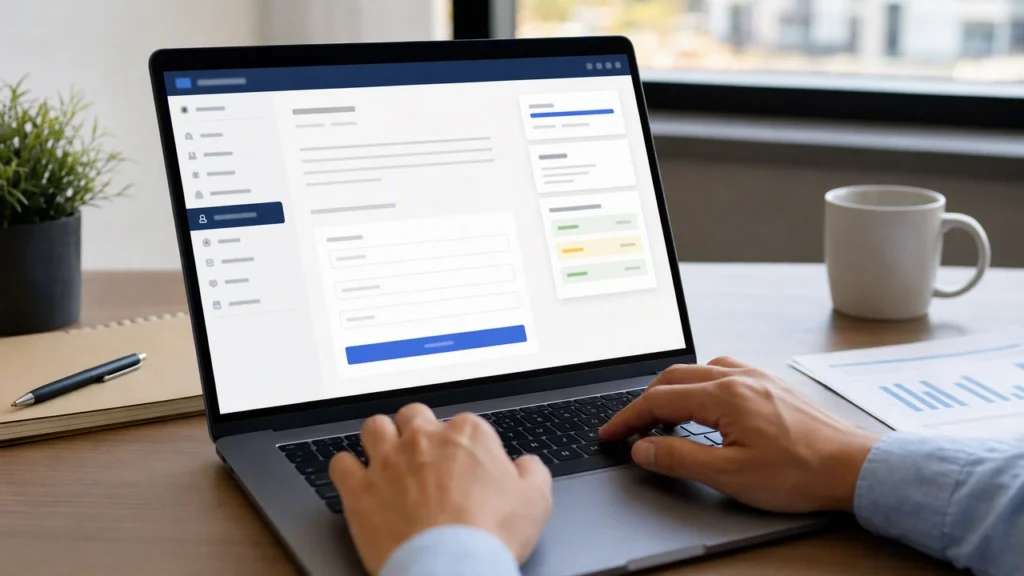
Trade license cost depends heavily on the trade, the state, and the specific type of licence being applied for.
Most regulators charge a trade license fee covering the application assessment and the certificate or card issued once approved, with some trades also requiring separate insurance costs on top.
Beyond the regulator’s own fee, the bigger cost driver for many applicants is securing the underlying qualification itself, whether through a full course, an apprenticeship, or an RPL assessment of existing experience.
Budgeting for both separately avoids an unpleasant surprise partway through the process.
Types of trade license generally fall into a few broad categories, though exact naming varies by state:
Authorises carrying out the trade work itself, often as an employee.
Authorises running a business, quoting jobs, and contracting directly with clients.
Limited versions issued while additional requirements are completed.
Covers specific high-risk tasks such as electrical or gasfitting work.
Trade license renewal is usually required periodically, often every one to three years depending on the state and trade.
Renewal generally involves confirming the licence holder’s details are current, paying a renewal fee, and in some cases demonstrating continued compliance, such as maintaining required insurance or completing any mandated continuing professional development.
Missing a renewal deadline can mean a lapsed licence, which may require reapplying rather than simply renewing, so tracking the expiry date is worth building into a regular reminder.
A few avoidable mistakes account for most of the delays applicants run into:
Submitting an incomplete application, missing a required document or signature
Using outdated evidence that no longer reflects current skills or insurance status
Applying for the wrong licence type, only discovering the mismatch after submission
Underestimating the total cost, by forgetting insurance or qualification expenses
Leaving renewal until after expiry, turning a simple renewal into a fresh application
KMH does not issue trade licences itself.
Instead, it helps applicants work out which qualification underpins their target licence, whether that qualification already exists, needs completing through further study, or can be achieved through RPL based on existing experience.
This usually starts with a free eligibility check, before any state application is lodged, so the right pathway and licence type are confirmed from the outset.

This varies by state and trade, but most applications are processed within a few weeks once all required documents and evidence are submitted correctly.
In most cases, a relevant qualification is required, though RPL can often be used to convert existing hands-on experience into the qualification needed to meet that requirement.
A tradesperson certificate generally authorises carrying out the trade work itself, while a full trade license, specifically a contractor licence, authorises running the business and contracting directly with clients.
Not usually every year. Most trade licences run on a one to three year renewal cycle, depending on the state and specific licence type.
Getting a trade license is a manageable process once broken into its real components: confirming eligibility, gathering the right documents, applying correctly, understanding the cost, and knowing which licence type actually fits.
Most delays come from incomplete applications rather than genuinely complicated requirements.
Anyone unsure which licence or qualification applies to their trade can get in touch with KMH Training & Consultancy for a free eligibility check.